Entune BuildingAI

Gridflow

Smart control that reduces peak loads and prevents grid congestion.
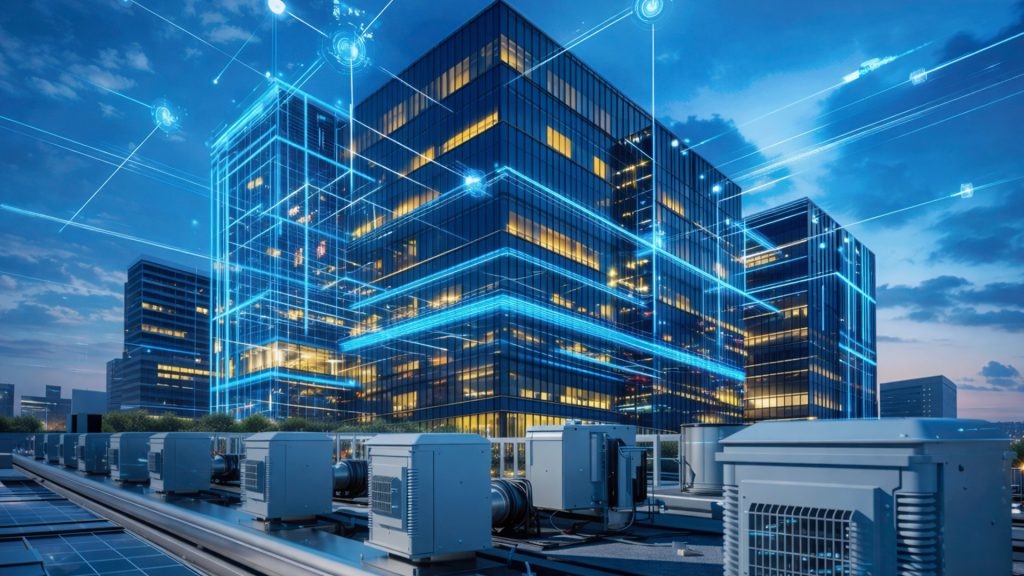
Moderne kantoorgebouwen met verlichte ramen bij schemering, met op de voorgrond een rij airconditioners op het dak en digitale blauwe verbindingslijnen die netwerkverbindingen symboliseren.

Smart congestion management for buildings

Entune Gridflow helps buildings reduce peak loads and avoid exceeding contracted capacity. By managing climate control systems more intelligently and aligning them with assets such as charging stations, solar panels, and batteries, you create flexibility within the building's energy system. This significantly reduces congestion risks, or even prevents them almost entirely, while demonstrably improving comfort for users.

Gridflow explained in 4 steps

1
Adaptive setpoint optimization
Gridflow lowers peak loads by controlling HVAC systems more intelligently at the room level. With adaptive setpoint optimization, the power of these systems is dynamically adjusted to the actual situation in the building. In many cases, this enables a peak reduction of 10% to 30%, often in combination with energy savings.
2
Thermal load shifting without loss of comfort
By heating or cooling spaces more intelligently and at different times, simultaneous peaks are flattened. Gridflow uses slower or faster warm-up profiles for this, depending on the building and its usage. This allows you to shift loads over time without compromising comfort.
3
Smart coordination with other energy assets
Gridflow can be integrated with assets such as charging stations, solar panels, and batteries. This creates additional flexibility for load balancing and makes better use of the available capacity within the contracted limit, further enhancing the effect of congestion reduction.
4
Fail-safe peak shaving during potential overages
When congestion threatens, Gridflow activates a fail-safe mechanism that intervenes in stages. Based on priorities and conditions, power is temporarily reduced where it is safe to do so. This phased power reduction helps prevent exceeding contracted capacity without unnecessarily disrupting comfort or building performance.

Key features of Gridflow

Peak reduction via HVAC systems
Reduce power peaks by controlling existing HVAC systems flexibly and data-driven.
Leveraging thermal flexibility
Use the building's thermal inertia intelligently to shift loads without sacrificing comfort.
Integration with charging stations, batteries, and solar panels
Coordinate multiple energy assets for greater flexibility and improved load balancing.
Protection against exceeding contracted capacity
Avoid fines, outages, or unwanted power spikes with smart fail-safe peak shaving.
Comfort guaranteed
Congestion reduction and energy management go hand in hand with maintaining a comfortable indoor climate.
Data- and model-driven control
Monitors the energy market, your meter, and the grid 24/7, purchases energy smartly, and adjusts your consumption accordingly.

Learn more about BuildingAI

Do you have questions about our smart software, or are you curious about how BuildingAI can make your buildings smarter, more sustainable, more cost-effective, and more comfortable?
Get in touch

What else BuildingAI has to offer

Een afbeelding van stedelijke gebouwen waarbij de linkerhelft een digitale schets toont van gebouwen in neonoranje lijnen tegen een donkere achtergrond, en de rechterhelft een realistische foto van hetzelfde stedelijk landschap met moderne architectuur onder een blauwe lucht.

Optimizer

More info about the management platform
View more
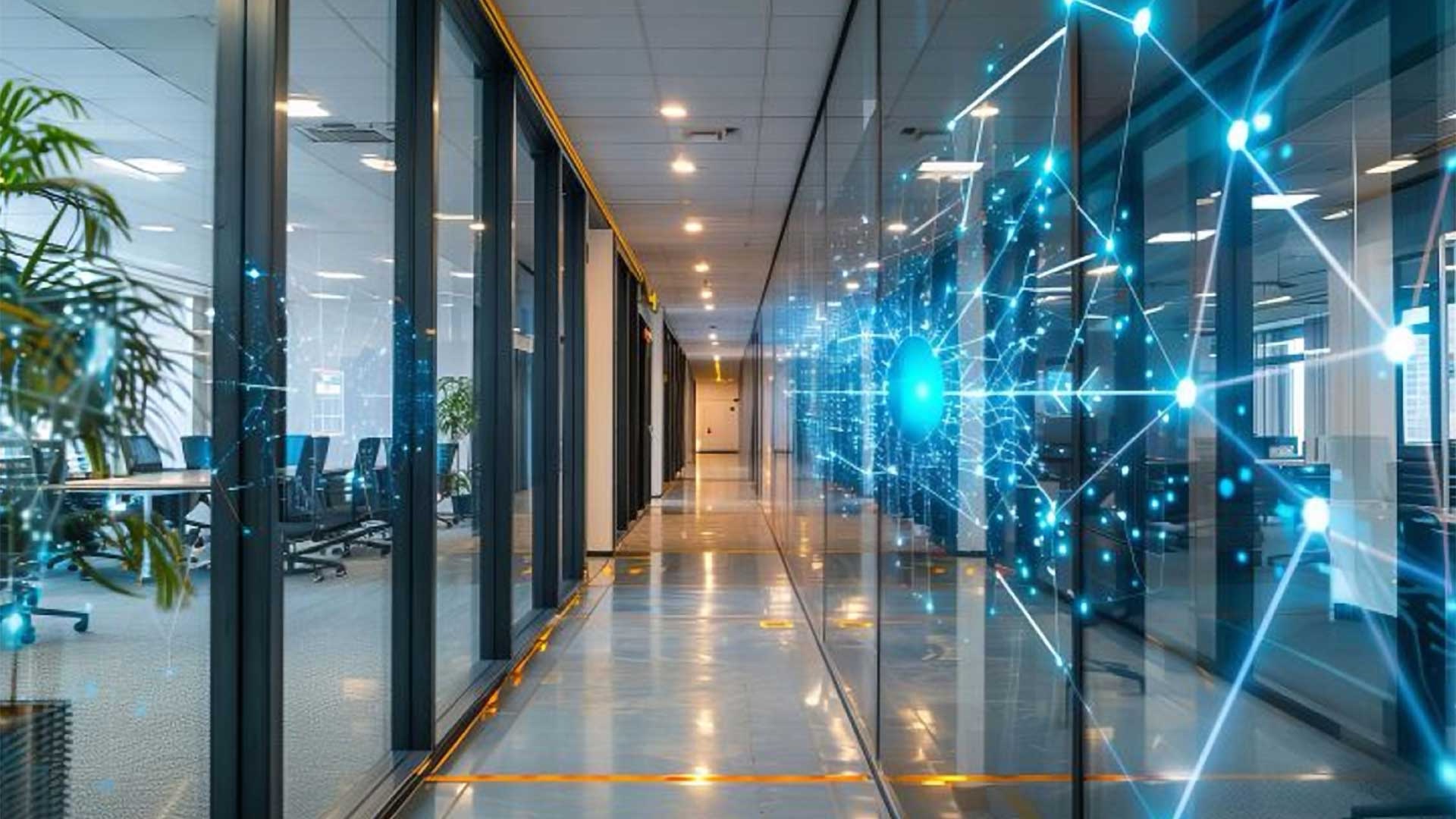
Moderne kantoorruimte met glazen wanden en stoelen, gescheiden door een gang, met digitale blauwe netwerkverbindingen geprojecteerd op de glazen wand aan de rechterkant.

Scan

More info about building analysis
View more
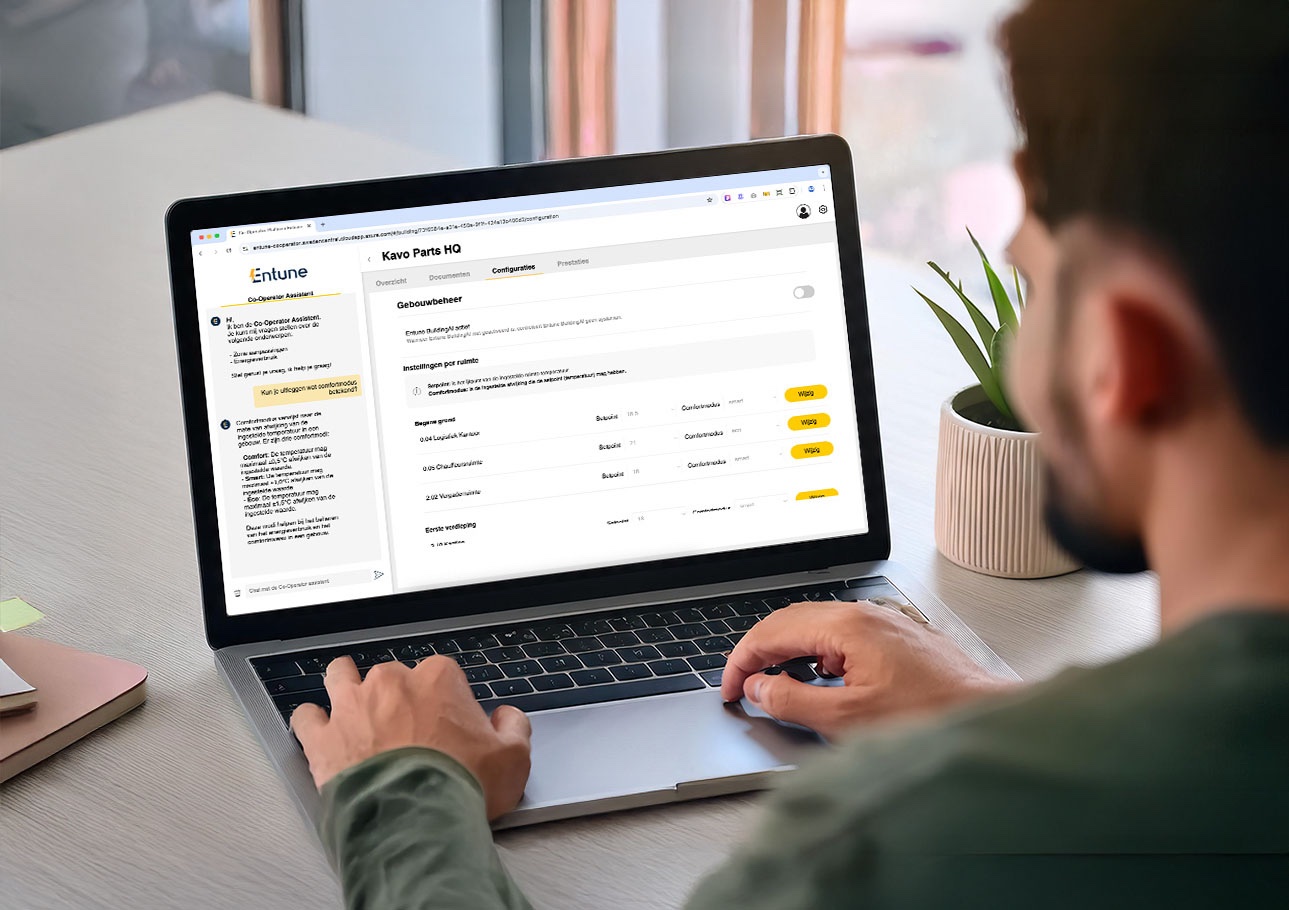
Persoon zit achter een laptop met een webapplicatie open voor gebouwbeheer genaamd Kavo Parts HQ, met instellingen voor verschillende kamers en comfortniveaus in het Nederlands.

Co-Operator

More info about the management platform
View more